Home Window Tint: Benefits & Guide
Date
2026-01-10 12:37:12
Category
Window
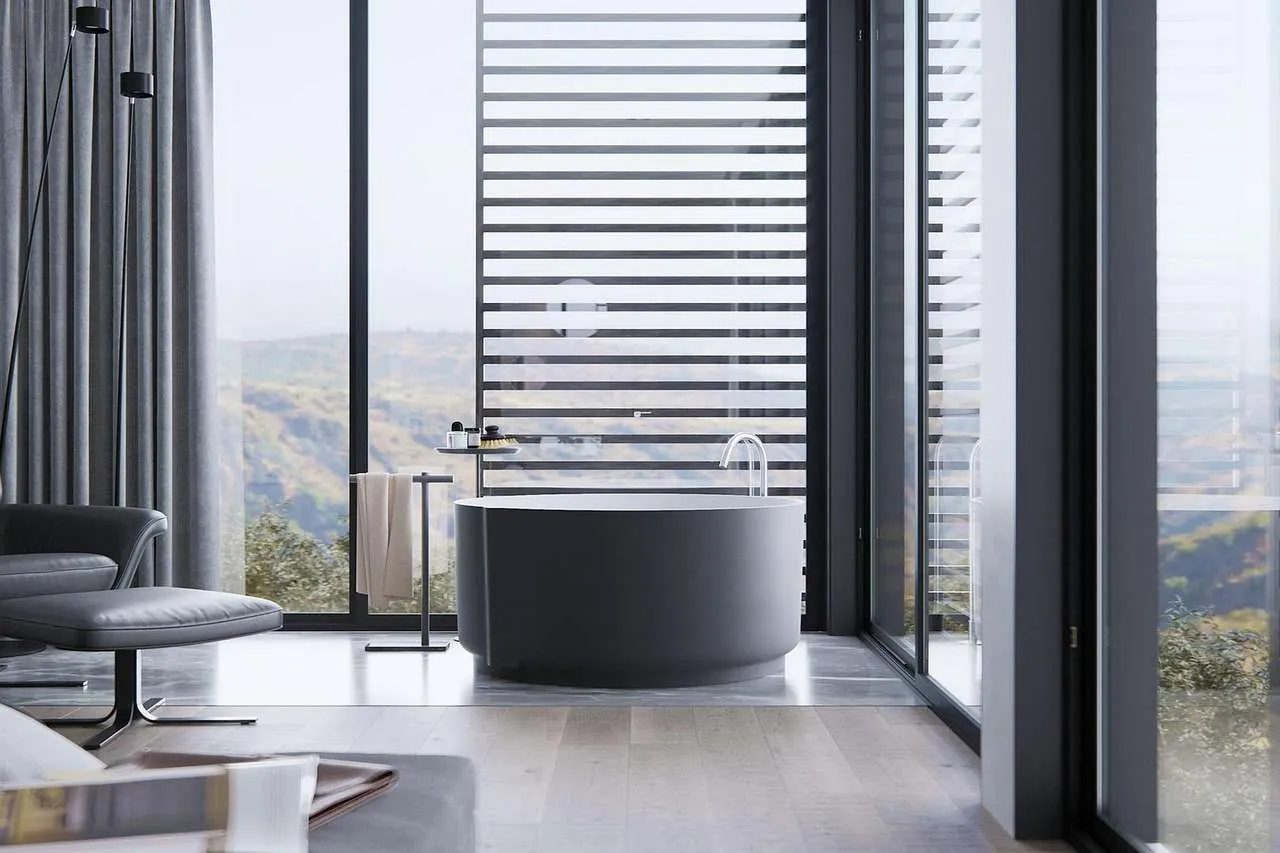
Home window tint is a thin film applied to interior or exterior glass to curb heat, block UV, and increase privacy. It is commonly used in residences to improve comfort, protect furnishings, and reduce energy costs. This guide explains what home window tint is, how it works, the different film types, installation options, and how to choose the right solution for your home.
What is home window tint?
A window tint is a laminated film that adheres to glass. It filters sunlight, absorbs infrared energy, and blocks ultraviolet radiation. Modern films are designed to be durable, offer color stability, and come in various shades and transparencies to balance light with performance. Note that tint colors can look different indoors and outdoors.
How it works
Window films typically include a base polyester layer with an adhesive, and may include metallic, ceramic, or carbon particles. They reduce solar heat gain by filtering infrared wavelengths while letting visible light pass through. Key metrics homeowners use to compare options include:
- Visible Light Transmission (VLT)
- Solar Heat Gain Coefficient (SHGC)
- Ultraviolet rejection
Benefits of home window tint
- Energy efficiency: lowers cooling load in hot months and can reduce your AC bill.
- UV protection: protects furnishings and flooring from fading.
- Glare reduction: creates a more comfortable space for screens and reading.
- Privacy and security: reduces visibility from outside and can add shatter resistance.
- Low maintenance and durability: most modern films resist scratching and require simple cleaning.
Types of home window tint
Dyed films
Pros: inexpensive, good color stability. Cons: can fade over time and may offer moderate heat rejection.
Metalized/reflective films
Pros: strong heat rejection and glare control. Cons: may interfere with electronics and can look mirror-like from outside.
Ceramic films
Pros: excellent heat rejection, high clarity, non-conductive. Cons: higher upfront cost.
Carbon and infrared films
Pros: rich appearance, good heat rejection, minimal reflectivity. Cons: mid-range cost with solid durability.
Nano-ceramic and advanced composites
Pros: best balance of clarity, heat rejection, and UV protection. Cons: premium price; installation quality matters for longevity.
What to consider before installing
Think about climate, sun exposure, and room use. Check local regulations on reflective tint for street-facing windows and ensure compatibility with your window type (single vs double pane, Low-E coatings). Also consider warranty, maintenance, and the impact on home resale values. Use approved cleaners and avoid ammonia-based products that can degrade adhesive over time.
DIY vs professional installation
DIY kits are affordable for small projects and can be a weekend task for skilled homeowners. For larger or multi-pane installations, professional installation yields better adhesion, fewer wrinkles, and a warranty-backed result. Professionals can also help you hit target SHGC and VLT values.
Choosing the right installer
Ask about product lines, warranty terms, and after-sales support. Inquire about certifications or training, and request a recent project portfolio. Take samples home to judge color, glare, and clarity under different lighting. Ensure they measure every pane precisely and seal edges properly.
Comparison at a glance
| Film Type | Heat Rejection (SHGC) | UV Rejection | Visible Light Transmittance (VLT) | Durability | Approx. Cost per sq ft | Best For |
|---|---|---|---|---|---|---|
| Dyed | Moderate | Good | 40–70% | Moderate fading risk | 1–6 | Budget-friendly, color-stable |
| Metalized/Reflective | High | Excellent | 20–60% | Good durability, may chip | 3–8 | Strong glare control |
| Ceramic | Very high | Excellent | 35–70% | Excellent | 6–12 | Best overall performance |
| Carbon/Infrared | High | Excellent | 30–60% | Good | 5–10 | Balanced performance |
| Nano-ceramic | Very high | Excellent | 40–70% | Excellent | 8–15 | Premium, top choice |
Cost, installation, and ROI
Residential tint projects typically range from 5 to 15 dollars per square foot installed, depending on film type and window size. DIY films save money but require careful preparation and skill. A typical home with standard windows may see energy savings over time, especially in hot climates, helping offset upfront costs. Larger or irregular-shaped panes, or premium films, raise the price. Follow manufacturer cleaning guidelines to preserve warranty and performance.
Maintenance and lifespan
Clean with a soft cloth and a mild, non-ammonia cleaner. Avoid abrasive tools. When properly selected and installed, ceramic and nano-ceramic films can last 10–20 years; dyed and metallic variants may show color shifts or edge lift over longer periods.
Conclusion
Conclusion, home window tint offers energy savings, UV protection, glare reduction, privacy, and enhanced comfort. By selecting the right film type, working with a qualified installer, and understanding local rules and warranties, you can improve indoor climate while preserving natural light and view.
Related Articles

Home Window Tinting Near Me: Expert Guide
Read More >
Home Window Tinting: Comfort, Privacy & Energy Savings
Read More >
Home Window Repair Near Me: Find Local Experts
Read More >