Home Window Tinting: Comfort, Privacy & Energy Savings
Date
2026-01-10 12:33:44
Category
Window
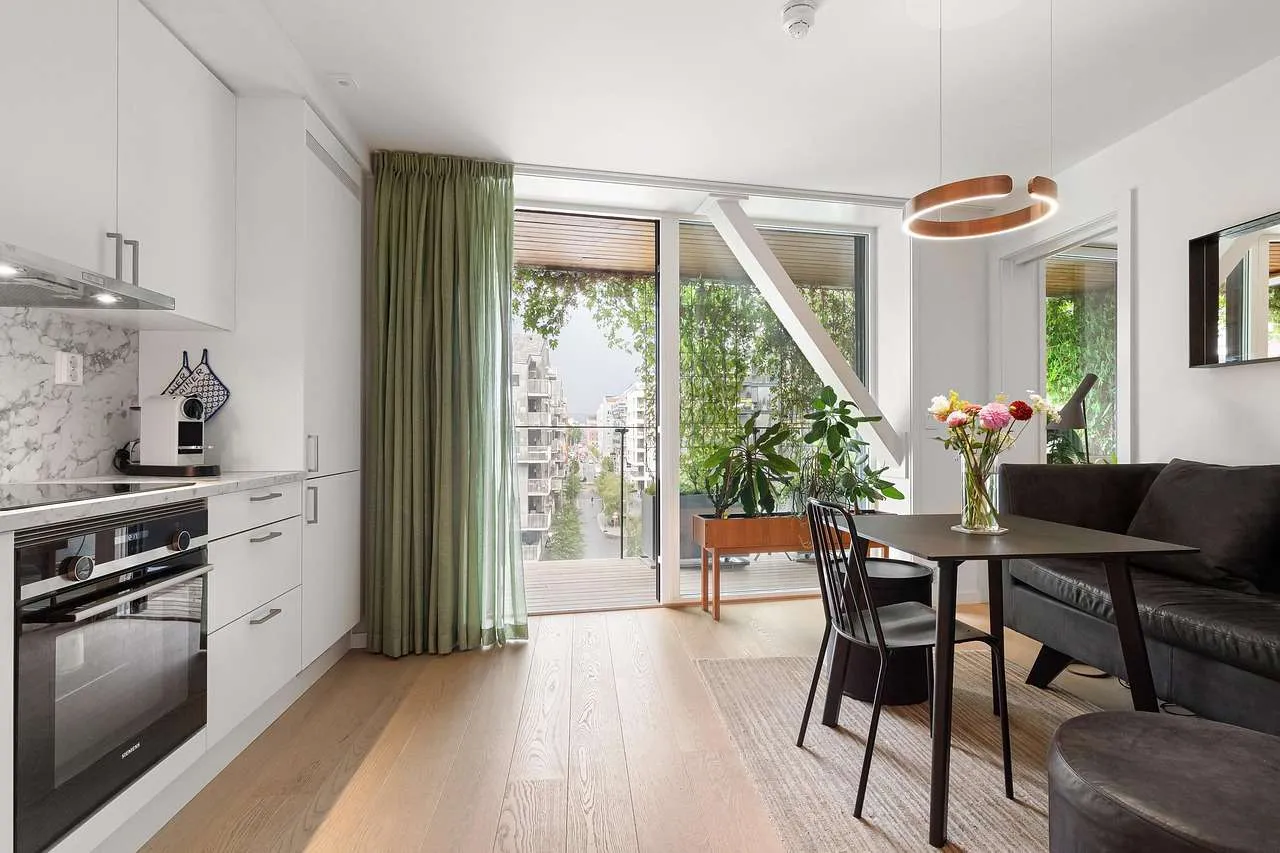
Home window tinting is a practical upgrade for homeowners seeking to improve indoor comfort, protect furnishings, and reduce energy costs. By applying a high-quality window film to existing glazing, you can manage heat, glare, and privacy without sacrificing natural light. This article explains what home window tinting is, the benefits you can expect, the different film types, installation considerations, and how to choose a trusted installer to ensure a trustworthy, long lasting result.
What is Home Window Tinting?
Home window tinting involves applying a thin film to interior or exterior glass surfaces. The film can be dyed, metalized, ceramic, carbon based, or a safety laminated layer. Each type works differently to reflect or absorb solar energy, block UV radiation, and minimize glare. While often associated with vehicles, window tinting for homes is a mature, widely available solution that can be customized to climate, orientation, and personal preference.
Benefits of Home Window Tinting
- UV protection: Most films block 99% or more of ultraviolet rays, helping prevent fading of furniture, carpets, and artwork.
- Heat reduction: Quality films can significantly lower solar heat gain, reducing cooling load in summer and improving overall energy efficiency.
- Glare control: Reducing glare protects eyes and improves comfort for screens and workspaces.
- Privacy and aesthetics: Tints provide daytime privacy without overly darkening interiors when paired with appropriate VLT levels.
- Safety and durability: Some films add a shatter resistance layer, helping protect against shattered glass in case of impact.
- Protection of interiors: Lower heat and UV exposure slow fading of furniture and flooring, extending their life.
Types of Window Tint Films
Understanding the main film categories helps you balance cost, performance, and appearance. Each type offers different levels of heat rejection, UV protection, and durability.
Dyed Films
Dyed films are the most affordable option. They improve appearance and provide basic glare control but can fade and show color changes over time.
Metalized (Reflective) Films
Metalized films offer strong heat rejection and glare reduction. They may cause interference with electronic devices on occasion and can have a reflective appearance.
Ceramic Films
Ceramic films provide superior heat rejection and UV protection without color distortion or conductivity issues. They are more durable and work well in bright, hot climates.
Carbon Films
Carbon films are non reflective with good heat rejection and durable color. They balance aesthetics with performance but come at a higher price than basic dyed films.
Safety and Laminated Films
Safety or laminated films incorporate a clear or tinted layer that holds glass together if shattered, providing an extra layer of protection for occupants.
Choosing the Right Film
To select the best film for your home, consider climate, orientation, and how much natural light you want to preserve. Key factors include visible light transmission (VLT), solar heat gain reduction, UV protection, and warranty. A reputable installer can provide sun exposure analysis for each room and help you choose a balance between comfort and aesthetics.
Installation Process
Professional installation involves a thorough assessment, surface cleaning, and precise application to avoid bubbles or dust under the film. Installation typically takes a few hours per window, with a curing period before full use. A warranty should cover film adhesion and performance for several years.
Maintenance and Durability
Cleaning is simple with mild soap and a soft cloth. Avoid ammonia-based cleaners that can degrade certain films. Periodic inspections ensure edges remain sealed, especially on exterior applications. With proper care, most residential films last 10 to 15 years or longer, depending on climate and exposure.
Cost and Return on Investment
Typical costs vary by film type, window size, and labor. On average, homeowners may pay a few dollars per square foot for basic dyed films and substantially more for ceramic or carbon options. The ROI comes from lower utility bills, reduced furniture fading, and enhanced comfort. A professional installer can provide a precise quote after an on-site assessment.
Legal and Safety Considerations
While many regions impose no strict limits on residential window tinting, some jurisdictions may have guidelines for glare or reflectance, especially on ground-floor windows or in proximity to public streets. For safety, select films with a warranty and choose a licensed, insured installer. If safety film is installed, it can reduce the risk of injury from broken glass in severe events.
Comparison Table of Common Film Types
| Film Type | Pros | Cons | Typical VLT | Heat Reduction | UV Rejection |
|---|---|---|---|---|---|
| Dyed | Affordable; decent glare control | Prone to fading; less durable | 35-70% | Moderate | Up to 99% |
| Metalized | Excellent heat rejection; strong glare control | Potential electronics interference; reflective | 5-60% | High | High |
| Ceramic | Strong heat rejection; non-conductive; durable | Higher cost | 30-70% | High | Excellent |
| Carbon | Non reflective; good heat rejection | Moderate cost | 30-60% | High | Excellent |
| Safety/Laminated | Shatter protection; UV benefit | Limited tint options | Varies | Moderate | Excellent |
Practical Tips for a Successful Outcome
Before scheduling installation, gather measurements, ask for a written warranty, and request samples to verify color, reflectivity, and light transmission. Verify a trained installer uses manufacturer approved methods and ensures proper surface preparation for optimal adhesion. Ask about include post-installation cleaning and care guidelines to protect investment over time.
Summary: Home window tinting offers meaningful gains in comfort, privacy, and energy efficiency when you choose the right film and a skilled installer. Understanding film types, evaluating climate needs, and confirming warranties help you maximize performance and value while maintaining a bright, inviting interior. By balancing UV protection, heat reduction, and daylight, you can enjoy a more comfortable home with long term protection for furnishings and floors.